


Renting a home in England can feel surprisingly complicated. You may start by scrolling through attractive property listings, but before long you are dealing with deposits, references, tenancy agreements, safety certificates and Right to Rent checks.
The process becomes much easier when you know what to check and when to check it. A good rental decision is not only about finding a property that looks nice. It is also about understanding the real monthly cost, confirming that the landlord or letting agent is legitimate, reading the agreement carefully and creating a clear record of the property's condition.
The rules for private renting in England changed significantly on 1 May 2026. Most private tenants now have an assured periodic tenancy, which runs on a rolling basis rather than having a fixed end date. The old government "How to Rent" publication has therefore been replaced by updated guidance for assured periodic tenancies.
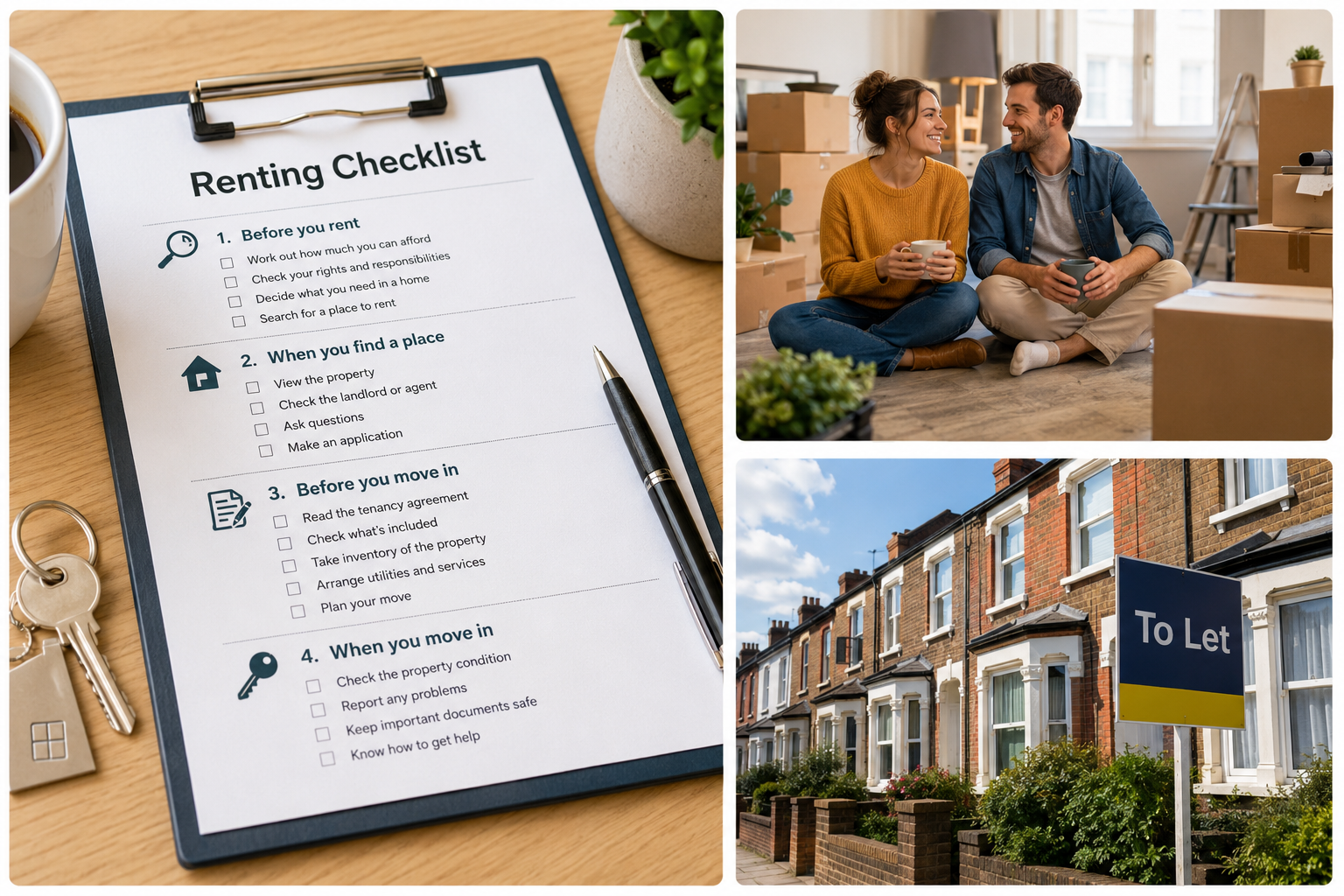
This practical renting checklist explains what to do before searching, what to inspect during a viewing, which documents to request and how to protect yourself throughout the tenancy.
1. Work Out What You Can Really Afford
The advertised rent is only one part of the cost of renting a home. Before arranging viewings, create a realistic monthly budget that includes the expenses you will have after moving in.
Depending on the property and your tenancy agreement, you may need to pay for:
- Council tax
- Gas and electricity
- Water and sewerage
- Broadband and mobile services
- A TV licence, where required
- Contents insurance
- Travel and commuting costs
- Parking permits or building charges
Ask for the property's Energy Performance Certificate,, usually called an EPC. It shows the home's energy-efficiency rating and can help you estimate whether heating the property is likely to be expensive. A home with large single-glazed windows, poor insulation or old electric heaters may cost considerably more to run than a smaller, more efficient property.
Leave some breathing room in your budget. Choosing a property at the absolute limit of what you can afford may make unexpected energy bills, travel costs or changes in income much harder to manage.
2. Prepare Your Documents Before You Search
The rental market can move quickly, particularly in London and other major university cities. Preparing your documents early can help you submit an application without rushing through important checks.
A landlord or letting agent may ask for:
- Proof of identity
- Proof of your current address
- Recent payslips or evidence of income
- An employment contract or employer reference
- Bank statements
- A previous landlord reference
- Information about a guarantor, where needed
- Evidence of your Right to Rent in England
Right to Rent checks
Landlords and letting agents must check the Right to Rent of every adult who will use the property as their main home, even if that person is not named on the tenancy agreement.
The way you prove your status depends on your nationality and immigration status. British and Irish citizens can normally use accepted identity documents. Many other applicants can generate a share code for an online Home Office check. Make sure you use the official government service and never send sensitive immigration or banking information through an unverified property advert.
3. Check the Landlord or Letting Agent
Fraudulent rental listings often create a false sense of urgency. You may be told that several people are ready to pay immediately, that the landlord is overseas or that you must transfer money before seeing the property.
Do not pay simply because someone is pressuring you. Confirm who is advertising the property, which company they represent and why each payment is being requested.
When renting through a letting agent, check:
The company's name, address and contact details
Whether the business belongs to an approved redress scheme
Whether client money is protected when the agent handles rent or deposits
Whether fees and deposit information are clearly displayed
Whether payments are being made to a genuine business account
When renting directly from a landlord, ask for the landlord's full name and an address in England or Wales where formal notices can be served. Be especially cautious if the person advertising the home cannot explain their relationship to the owner or refuses to provide basic information.
4. Understand the Advertised Rent
Rental bidding is not allowed
A written property advert must show a specific rental amount. This applies to listings on property portals, social media posts, emails, messages and printed advertisements.
A landlord or letting agent cannot ask you to offer more than the advertised rent, encourage you to enter a bidding competition or accept a voluntary offer above the advertised figure. They should not tell you that another applicant has offered more in an attempt to make you increase your offer.
Keep a screenshot of the original listing and save relevant emails or messages. These records may be useful if you need to report suspected rental bidding to the local council.
5. Inspect the Property Carefully
A fast viewing can hide a long list of future problems. Try to view the property in person, or arrange a live video viewing with someone you trust if you cannot attend.
During the viewing, check:
- Signs of damp, mould or water damage
- Whether windows and external doors close and lock properly
- Water pressure in the kitchen and bathroom
- The condition of the boiler and heating system
- Mobile reception and broadband availability
- Noise from roads, neighbours, trains or construction
- The number and location of electrical sockets
- The condition of furniture and appliances
- Smoke alarms and carbon monoxide alarms
- Communal entrances, lifts, bins and bicycle storage
Ask which items will remain in the property. Do not assume that furniture, televisions, desks or kitchen equipment shown in photographs are included. Any repair, replacement or removal promised before move-in should be confirmed in writing.
Check whether the property needs a licence
Some houses in multiple occupation, commonly called HMOs, require a licence. Certain councils also operate additional or selective licensing schemes covering other rented homes. You can ask the local council whether the property should be licensed and whether the necessary licence is in place.
6. Know Which Payments Are Allowed
Most tenant administration charges are banned in England. You should not normally be charged for viewing a property, setting up the tenancy, carrying out references, preparing an inventory or completing a routine check-out.
Permitted payments can include:
Rent
- A refundable holding deposit
- A refundable tenancy deposit
- Agreed utility, communication, TV licence and council tax payments
- Certain charges for late rent or lost keys where the legal conditions are met
- Certain costs for changing the agreement at the tenant's request
- Reasonable costs connected with ending the tenancy without giving the required notice
Holding deposits
A holding deposit reserves the property while checks and paperwork are completed. It can be no more than one week's rent. Before paying it, ask what conditions apply, when it will be refunded and in which circumstances it may legally be retained.
Tenancy deposits
For annual rent below £50,000,, the tenancy deposit can normally be no more than five weeks' rent. For annual rent of £50,000 or more, up to the assured-tenancy limit, it can normally be no more than six weeks' rent.
The deposit must be placed in a government-approved tenancy deposit protection scheme. You should receive the required information explaining where it is protected, how it will be returned and how disputes are handled. Keep this information until the tenancy and any deposit dispute have ended.
7. Be Careful With Rent in Advance
A landlord or agent must not ask for or accept rent before the tenancy agreement has been signed. They can request a permitted holding deposit or tenancy deposit, but this is different from rent.
After the agreement is signed but before the tenancy begins, a tenant who will pay monthly can usually be asked for no more than one month's rent. A weekly tenant can usually be asked for no more than 28 days' rent. Limited exceptions apply to certain council-arranged, social or supported housing tenancies.
Once the tenancy has started, you may choose to pay rent early, but the landlord or agent cannot force you to do so. Keep receipts, payment confirmations and bank records for every amount you pay.
8. Read the Tenancy Agreement Before Signing
Your tenancy agreement is a legal contract. Do not treat it as a box-ticking exercise. Read the full document and ask questions about anything that is unclear.
Check that it clearly explains:
- The names of the landlord and tenants
- The property address
- The rent and payment date
- Which bills are included
- The deposit amount and protection arrangements
- The tenant's notice requirements
- Repair and maintenance responsibilities
- Rules about pets, smoking, decorating and subletting
- Any agreed special conditions
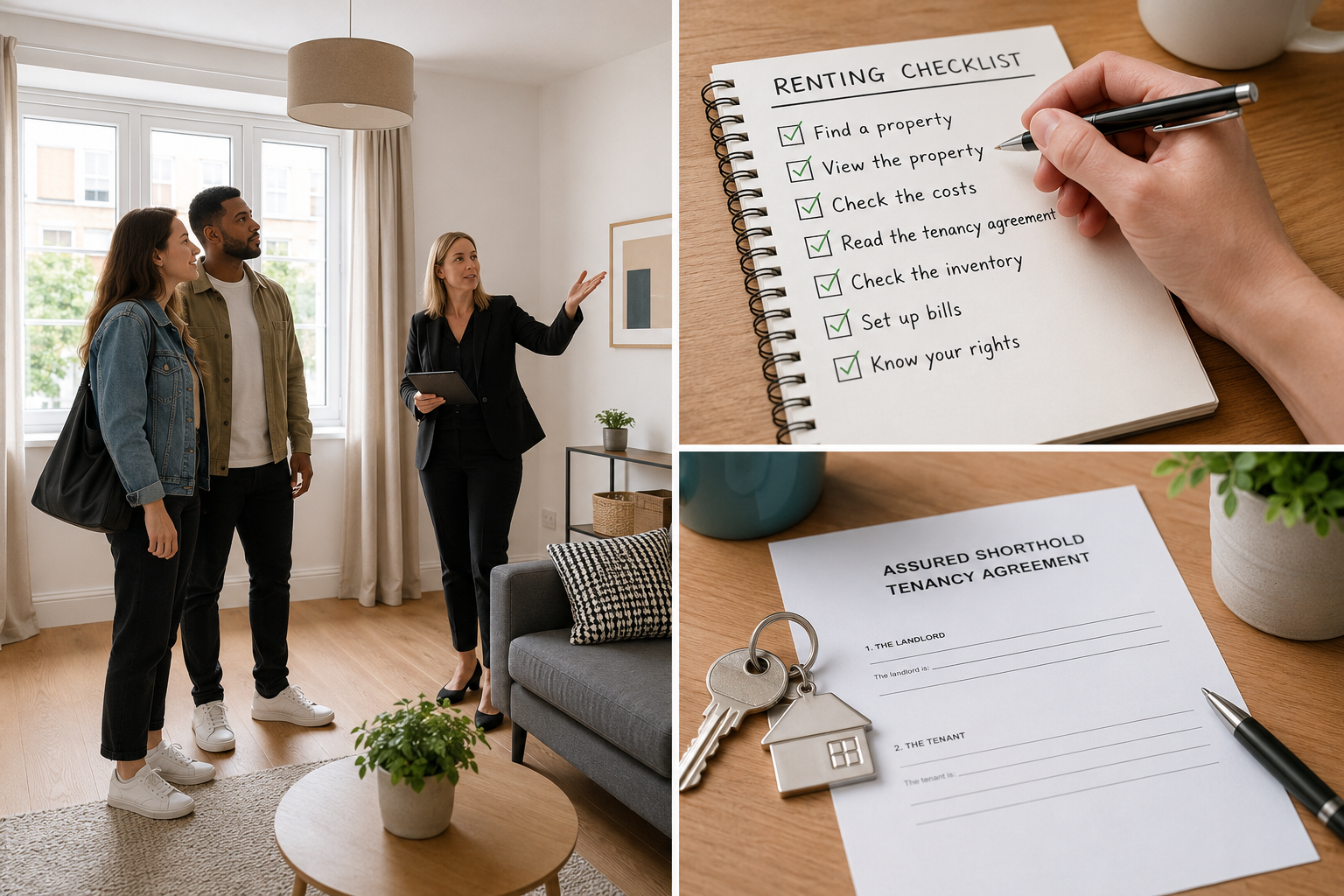
Rolling assured periodic tenancies
Most private tenancies in England now operate as assured periodic tenancies. They run weekly or monthly and cannot have an enforceable fixed end date. The tenancy continues until the tenant ends it correctly, both parties agree to end it, or the landlord obtains possession through the proper legal process.
If several tenants sign one agreement, it will usually be a joint tenancy. Each joint tenant may be responsible for the whole rent, not only their individual share. One joint tenant may also be able to end the joint tenancy, so everyone should understand the consequences before signing.
9. Request the Important Safety Documents
Before moving in, check that you have received or reviewed the relevant documents, including:
- Gas Safety Record: required where the property has relevant gas appliances or flues, with checks completed by a Gas Safe registered engineer.
- Energy Performance Certificate: showing the property's energy-efficiency rating.
- Electrical Installation Condition Report: showing that the fixed electrical installations have been inspected and tested.
- Deposit protection information: confirming how and where the tenancy deposit is protected.
- Written tenancy terms: including the key terms where the original agreement was made orally.
There should be at least one smoke alarm on every storey used as living accommodation. A carbon monoxide alarm is also required in rooms used as living accommodation that contain a fixed combustion appliance, apart from a gas cooker. The landlord should make sure the alarms work at the start of the tenancy.
After moving in, test the alarms regularly and report faults promptly. Do not remove batteries or cover an alarm because it is inconvenient.
10. Protect Yourself on Moving Day
The inventory and check-in report may become your strongest evidence if there is a deposit dispute later. Read it carefully rather than signing it immediately.
On or before moving day:
- Photograph every room, including walls, floors and ceilings
- Take close-up photographs of stains, scratches and damage
- Check furniture and appliances against the inventory
- Photograph meter readings
- Test the heating, hot water and major appliances
- Check how many keys, fobs and access cards you received
- Locate the stopcock, fuse box and utility meters
- Email any corrections to the landlord or agent promptly
Store photographs in a folder that preserves their original dates. A few minutes spent recording the condition properly can prevent weeks of disagreement when you leave.
11. Understand Your Responsibilities as a Tenant
You should pay rent and agreed bills on time, take reasonable care of the home and report repair problems before they become worse. You should also avoid causing serious disturbance to neighbours and obtain permission where required before decorating, subletting or making alterations.
Reporting a problem does not make you a difficult tenant. A small leak can become structural damage, while untreated mould may affect both the property and your health. Report repairs in writing, include photographs and keep a record of every response.
Your landlord is generally responsible for the structure and exterior, essential installations for water, gas, electricity, sanitation and heating, as well as supplied appliances and furniture where the agreement makes them responsible. The landlord or agent should normally give at least 24 hours' notice before visiting for inspections or non-emergency repairs and should arrange access at a reasonable time.
12. Know the Rules on Rent Increases
For an assured periodic tenancy, the landlord cannot normally increase the rent during the first year. After that, rent can generally be increased only once a year through the formal process.
The landlord must usually give at least two months' notice using the prescribed Form 4A. The new rent should reflect the open-market rent for a comparable property rather than being used as a punishment or an informal way to force a tenant out.
If you believe the proposed rent is higher than the property could reasonably achieve on the open market, you may be able to challenge it through the First-tier Tribunal. Take action before the deadline shown in the notice and gather evidence from genuinely comparable properties.
13. Asking Permission to Keep a Pet
If you want a pet, submit the request to the landlord in writing and describe the animal clearly. Useful information may include the species, size, age, training, temperament and how the pet will be cared for in the property.
The landlord normally has 28 days to respond in writing and cannot refuse without a fair reason. A refusal may be reasonable if the property is unsuitable for the animal, another resident has a serious allergy or the building's superior lease prohibits pets. A general dislike of animals is not normally enough on its own.
Do not move a pet into the property before permission is granted. You will remain responsible for cleaning and repairing damage caused by the animal.
14. Ending Your Tenancy
Check the notice clause in your tenancy agreement before deciding when to move. The maximum notice the agreement can normally require from the tenant is two months. If the agreement does not state a notice period, you will generally need to give at least two months' notice.
Your notice must be in writing and should end on a rent-payment day or the day before rent is due. Keep a copy and evidence showing when it was sent. You are usually responsible for rent throughout the notice period unless the landlord agrees in writing to release you earlier.
Before leaving:
- Pay all rent and bills that you owe
- Remove your belongings and rubbish
- Clean the property to the required standard
- Compare its condition with the original inventory
- Photograph each room again
- Take final meter readings
- Return every key, fob and access card
- Provide a forwarding address for deposit communication
When the landlord wants the property back
A landlord cannot simply end an assured periodic tenancy because they feel like it. They must use a valid legal ground, such as intending to sell the property, moving into it, serious rent arrears, property damage or antisocial behaviour.
The landlord must serve the correct Section 8 notice and follow the legal possession process. If the notice expires and you remain in the home, the landlord cannot physically remove you or change the locks. They must apply to the court and obtain the necessary possession order.
15. What to Do If Something Goes Wrong
Start by raising the issue clearly in writing with the landlord or letting agent. Explain what happened, what outcome you are requesting and when you need a response. Attach photographs, receipts, advertisements or messages where relevant.
Depending on the problem, you may also contact:
The letting agent's redress scheme
The tenancy deposit protection scheme
The local council's housing or trading standards team
Citizens Advice
Shelter
A qualified housing solicitor
Do not stop paying rent simply because repairs have not been completed or because you believe the landlord owes you money. Withholding rent can create arrears and place your tenancy at risk. Get independent advice before taking financial or legal action.
Your Final Renting Checklist
- Calculate the rent, bills and commuting costs
- Prepare your ID, income and Right to Rent documents
- Verify the landlord or letting agent
- Save a copy of the original property advert
- Inspect the property and surrounding area carefully
- Check whether the property requires a licence
- Understand holding deposits and permitted payments
- Do not pay rent before signing the agreement
- Read every term before signing
- Request the EPC, gas, electrical and deposit documents
- Complete a detailed inventory with photographs
- Report repairs and keep written records
- Check the formal rules for rent increases
- Give valid written notice when leaving
- Keep your final photographs and payment records
Final Thoughts
Finding a rental home is often emotional. When you finally see a property that feels right, it is tempting to secure it immediately and deal with the details later. Unfortunately, that is when expensive mistakes are most likely to happen.
Take enough time to check the property, understand every payment and read the tenancy terms. Ask for promises to be put in writing and keep copies of advertisements, certificates, messages, inventories and receipts.
A careful tenant is not an awkward tenant. Asking sensible questions before moving in protects you, the landlord and the property - and gives the tenancy a much better chance of starting on the right foot.
This article provides general information about renting in England and does not constitute legal advice. Housing rules can change, and tenants should check current government guidance or obtain independent advice for their individual circumstances.


