


Introduction: The Importance of Safety in the Private Rented Sector
The UK property market has seen significant growth in the private rented sector (PRS) over the last few decades. With millions of tenants relying on private landlords for their housing needs, ensuring the safety and well-being of occupants is a paramount concern for the government, local housing authorities, and property professionals alike. For property investors and those managing a buy-to-let property portfolio, maximizing rental yield must always be balanced with strict adherence to statutory compliance. Among the most critical areas of compliance are the fire safety and carbon monoxide regulations.
The Smoke and Carbon Monoxide Alarm (England) Regulations 2015 brought about a fundamental shift in landlord responsibilities, establishing a clear baseline for residential property safety. These regulations were subsequently amended in 2022 to extend the protections offered to tenants, reflecting a growing awareness of the dangers of carbon monoxide poisoning and the life-saving potential of early warning systems. Whether you are managing a single rental unit, a House in Multiple Occupation (HMO), or a vast property empire, understanding these regulations is not just about avoiding fines; it is about saving lives, protecting your property investment, and maintaining a positive relationship with your tenants.
This comprehensive guide aims to demystify the regulations surrounding smoke and carbon monoxide alarms for UK landlords. We will explore the exact legal requirements, provide actionable advice on the installation of these devices, outline the ongoing testing and maintenance duties, and discuss how landlords can work effectively with tenants and property management agents to ensure seamless compliance throughout the lifecycle of a tenancy agreement.
1. Understanding the Legal Requirements
The foundational rule for landlords operating in England is straightforward but highly specific. The regulations mandate clear directives on the provision of both smoke alarms and carbon monoxide alarms in any residential property that is occupied under a tenancy. It is important to note that these rules apply broadly across the PRS and, following the 2022 amendments, also encompass social housing landlords.
Smoke Alarms: The basic requirement for smoke alarms is that at least one working smoke alarm must be equipped on each storey of the premises on which there is a room used wholly or partly as living accommodation. The definition of 'living accommodation' is relatively broad. It includes lounges, dining rooms, and bedrooms, but importantly, it also covers kitchens, bathrooms, and even separate lavatories. Therefore, if a property has a ground floor with a kitchen and a bathroom, a first floor with bedrooms, and a converted attic space used as a study or extra bedroom, each of these three storeys must have its own dedicated smoke alarm.
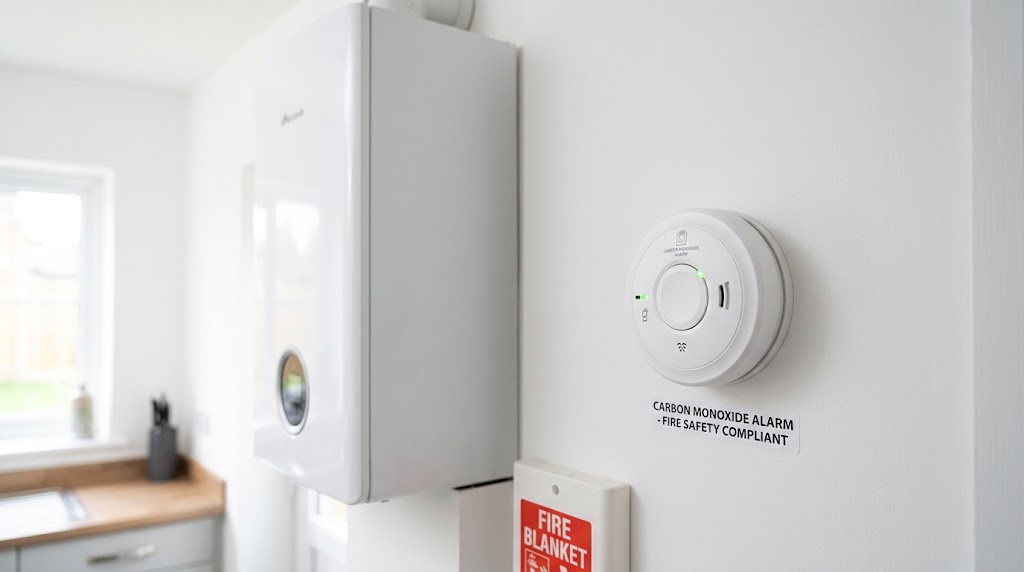
Carbon Monoxide Alarms: The rules regarding carbon monoxide (CO) alarms were significantly tightened during the 2022 regulatory update. Currently, a carbon monoxide alarm must be equipped in any room used as living accommodation which contains a fixed combustion appliance. A 'fixed combustion appliance' includes gas boilers, oil boilers, log-burning stoves, and solid fuel open fires. There is, however, a notable exemption: gas cookers are excluded from this specific requirement, though it is often considered best practice by safety-conscious letting agents to install one anyway. The presence of a CO alarm is non-negotiable for rooms housing boilers, as carbon monoxide is a colorless, odorless gas that can be fatal if undetected. Since it cannot be seen or smelled, the alarm is the only line of defense for the tenant.
Exemptions and Specific Tenancies: While the vast majority of standard Assured Shorthold Tenancies (ASTs) fall under these regulations, there are some exemptions. For instance, shared accommodation with the landlord (lodger arrangements), long leases of over 7 years, and certain types of student halls of residence may have different frameworks or be exempt from this specific statutory instrument, though other safety regulations like the Housing Act 2004 and HMO licensing conditions will still apply. However, for the typical buy-to-let investor, it is safest to assume that these regulations apply in full.
2. Installation Guidelines: How and Where to Fit the Alarms
Knowing that you need alarms is only the first step; installing them correctly is crucial for them to be effective. While the legislation itself does not prescribe the exact make, model, or absolute placement down to the centimeter, landlords are expected to follow the manufacturer’s instructions and general industry best practices.
Placing Smoke Alarms: Smoke alarms should ideally be fixed to the ceiling in a circulation space, such as a hall or a landing. Since smoke rises, placing them on the ceiling ensures the earliest possible detection. They should be positioned at least 30 centimeters away from walls and light fittings to avoid dead air spaces where smoke might not reach immediately. For a multi-storey residential property, alarms should be interlinked if possible, although this is more of a strict requirement for HMOs under separate licensing rules. For standard single-family rentals, standalone alarms meet the basic criteria, but hardwired, interlinked alarms are heavily favored by property management professionals as they provide superior safety and cannot be easily disabled by a tenant removing a battery.
Placing Carbon Monoxide Alarms: Carbon monoxide is roughly the same density as air and distributes evenly throughout a room. The placement of a CO alarm depends slightly on the room's layout and the manufacturer’s guidance. Generally, if the alarm is on the ceiling, it should be at least 30 centimeters from any wall. If placed on a wall, it should be as high up as possible (above doors and windows) but at least 150 centimeters from the ceiling. Crucially, the alarm should be located between 1 meter and 3 meters away horizontally from the potential source (the fixed combustion appliance). Placing an alarm directly above a boiler or right next to a stove can lead to false alarms and may damage the sensor.
Choosing the Right Equipment: The regulations do not stipulate whether alarms should be mains-powered or battery-powered. However, relying on cheap, replaceable battery alarms can be a false economy for property investors. Tenants may remove batteries if the alarm beeps due to low power, leaving the property unprotected and the landlord technically in breach if an incident occurs. Landlords are increasingly opting for sealed unit alarms with a 10-year tamper-proof lithium battery, or mains-powered alarms with a battery backup. These options offer greater peace of mind, reduce the frequency of maintenance call-outs for letting agents, and ensure long-term compliance.
3. Testing, Maintenance, and Landlord Responsibilities
The responsibilities of a landlord do not end once the alarms are screwed into the ceiling. The operational status of these life-saving devices must be actively managed throughout the lifecycle of the tenancy.
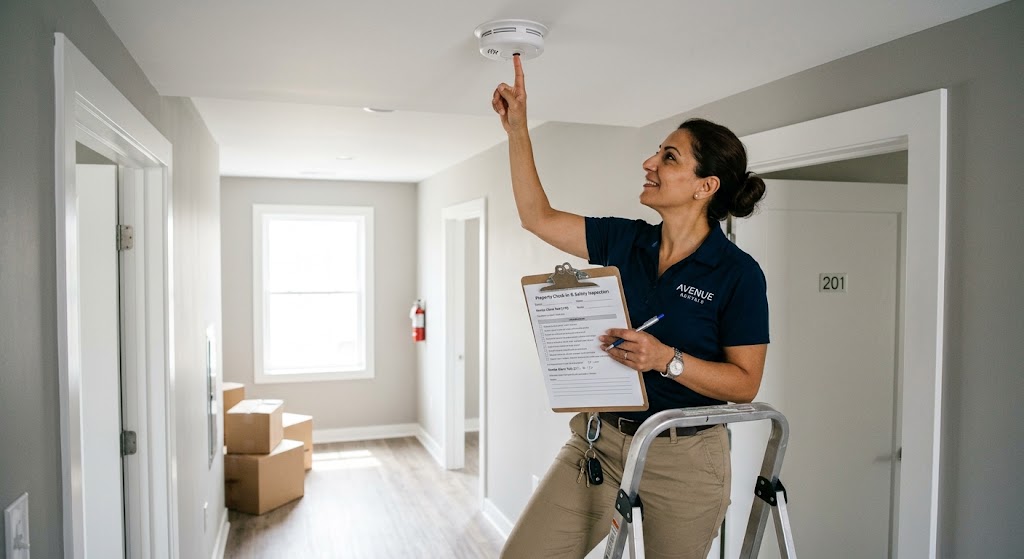
The 'First Day' Rule: The most critical testing requirement for a landlord is to ensure that all prescribed alarms are in proper working order on the day the tenancy begins. This is an absolute legal duty. When the tenant moves in—often during the check-in process when the property inventory is being agreed upon—the landlord or their appointed inventory clerk must physically press the test buttons on the smoke and CO alarms to demonstrate they are functioning. It is highly recommended to document this. The inventory report should explicitly state that the alarms were tested and working on the start date of the tenancy agreement, and the tenant should sign this document. Without this paper trail, a landlord has no proof they complied with the law if a dispute arises later.
Tenant Responsibilities During the Tenancy: Once the tenancy has commenced and the initial tests are complete, the day-to-day testing of the alarms falls to the tenant. Landlords should advise their tenants to test the alarms regularly—usually on a monthly basis—by pressing the test button. This expectation should be clearly written into the tenancy agreement (AST). Tenants are also responsible for replacing standard removable batteries if they run out during the tenancy, although, as mentioned earlier, landlords can circumvent this issue by installing 10-year sealed alarms.
Repairs and Replacements: The 2022 amendments introduced a strict new duty regarding faulty alarms. If a tenant reports that an alarm is faulty, or if a landlord discovers a fault during a routine mid-term property inspection, the landlord must repair or replace the alarm 'as soon as reasonably practicable'. Landlords cannot delegate this responsibility to the tenant. If an alarm reaches the end of its lifespan (usually 7 to 10 years, indicated by a date printed on the device), the landlord must fund and facilitate its replacement. Swift action is necessary not only for compliance but to maintain the property valuation and avoid potential litigation.
4. Enforcement and Penalties for Non-Compliance
Local housing authorities are tasked with enforcing the Smoke and Carbon Monoxide Alarm Regulations. They have robust powers to ensure that landlords in the private rented sector do not cut corners when it comes to tenant safety.
Remedial Notices: If a local authority has reasonable grounds to believe that a landlord has failed to comply with the regulations—either by failing to install the alarms or failing to repair a faulty one—they must serve a remedial notice. This notice will detail the breach and specify the action the landlord must take to rectify the situation, usually within 28 days. A landlord has the right to appeal this notice, but doing so without strong evidence of compliance is generally futile.
Financial Penalties: If a landlord fails to comply with a remedial notice, the local housing authority can step in to perform the required work (i.e., installing the alarms) to protect the tenant. Furthermore, the local authority can impose a civil penalty charge on the non-compliant landlord. The fine can be up to £5,000 per breach. For a property investor managing multiple properties, failing to implement a standardized safety protocol could lead to massive financial liabilities.
Beyond the Fines: The consequences of non-compliance extend far beyond a £5,000 fine. If a fire or carbon monoxide leak occurs and a tenant is injured or killed, and it is discovered that the landlord failed to provide working alarms, the landlord could face criminal prosecution for negligence or even manslaughter. Additionally, landlord insurance policies typically require full compliance with all statutory safety regulations. Non-compliance could invalidate the insurance policy, leaving the landlord personally liable for hundreds of thousands of pounds in fire damage, effectively destroying their property investment.
5. Working with Tenants and Letting Agents: Best Practices
Achieving consistent compliance requires a proactive approach and excellent communication between landlords, letting agents, and tenants. Safety should be a collaborative effort rather than a point of friction.
Clear Documentation: Every step of the compliance process should be documented. From the purchase receipts of the alarms to the signed check-in inventory report, keeping a meticulous paper trail is essential. Landlords should provide tenants with the user manuals for the specific alarms installed, enabling them to understand the different beep codes (e.g., low battery warning vs. actual alarm).
The Role of Property Managers: For landlords who use a letting agent or property management service, it is crucial to ensure that the agent's terms of business clearly outline who is responsible for testing the alarms on the first day of the tenancy. A good agent will incorporate alarm testing into their standard check-in procedure and will check the physical condition and expiry dates of alarms during regular property inspections. However, the ultimate legal responsibility always rests with the landlord, so it is vital to audit your agent's practices periodically.
Educating the Tenant: At the start of the tenancy, take the time to educate the tenant on the importance of the alarms. Explain that they are installed for their safety and that tampering with them, removing batteries, or covering them up is not only dangerous but a breach of their tenancy agreement. Encourage open communication so that tenants feel comfortable reporting a faulty alarm immediately, rather than just taking it down to stop a nuisance beep.
Conclusion
The regulatory landscape for UK landlords is complex and constantly evolving, but the Smoke and Carbon Monoxide Alarm (England) Regulations represent one of the most fundamental and life-saving pieces of legislation in the private rented sector. By ensuring that at least one smoke alarm is fitted on every living storey and a carbon monoxide alarm is present in any room with a fixed combustion appliance, landlords create a secure environment for their tenants.
Beyond mere compliance, treating these regulations as a core component of property management demonstrates professionalism and a commitment to tenant welfare. From selecting the right tamper-proof devices to rigorous first-day testing during the inventory check-in, these proactive steps safeguard not just the human lives inside the property, but also the long-term viability and profitability of the property investment itself. Ultimately, adhering to these rules is a vital responsibility that underpins the integrity of the entire residential property market.


